
How to Shop Raw Crystal Specimens for Sale
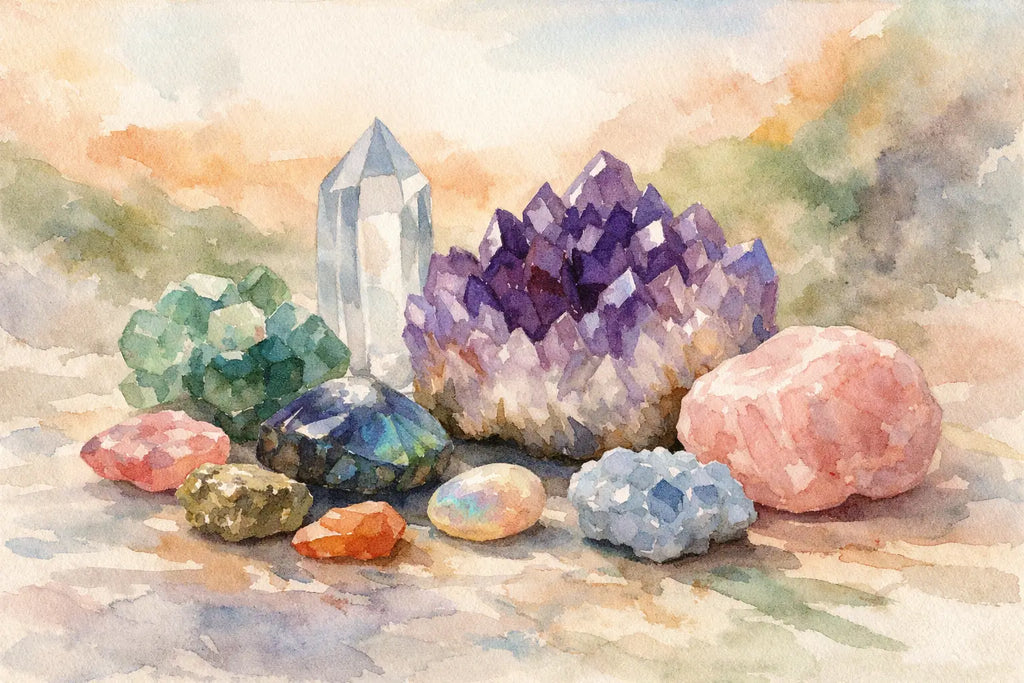
Some raw crystal specimens stop you in your tracks the second you see them. It might be the way a point formed naturally, the color zoning in a mineral face, or the feeling that this piece belongs on your shelf long before you can explain why. That is part of the appeal behind raw crystal specimens for sale - they feel less manufactured, more storied, and often more personal than polished pieces.
For many shoppers, though, raw specimens can also feel harder to judge. Two pieces may share the same mineral name and look nothing alike. Prices can vary widely. Photos may be beautiful, but not always helpful if you do not know what to look for. If you are buying for collecting, gifting, home decor, or spiritual practice, a little guidance makes the experience far more rewarding.
What makes raw crystal specimens different
Raw specimens carry the character of how they formed. Instead of a carved shape or polished finish, you see natural textures, matrix, fractures, druse, growth patterns, and the little irregularities that make a mineral feel alive. Those details are not flaws by default. In many cases, they are exactly what collectors and intentional buyers are looking for.
That said, raw does not mean lower quality or unfinished in a careless sense. A premium raw specimen is still chosen with discernment. The best pieces tend to have strong visual presence, stable structure, appealing color, and a formation that shows off what makes that mineral special. A rough chunk with no definition and a hand-selected display specimen are both technically raw, but they do not belong in the same category.
This is where curation matters. When a shop offers raw crystal specimens for sale with thoughtful selection, the difference is easy to feel. You are not sorting through bulk inventory hoping to get lucky. You are choosing from pieces that were already evaluated for beauty, condition, and presence.
How to evaluate raw crystal specimens for sale
The first thing to look at is formation. Ask yourself what the piece is showing. Is it a cluster with sharp points, a mineral on matrix, a single terminated crystal, or a more sculptural formation with natural drama? A specimen should have something distinct about it, even if its beauty is subtle.
Color comes next, but color is not everything. Some minerals are prized for saturation, while others are loved for luster, translucency, or unusual inclusions. A smoky quartz point with excellent clarity may be more compelling than a brighter piece with less definition. A fluorite specimen might be valued for zoning and structure more than intensity alone. It depends on the material.
Condition matters too, especially if you are shopping online. Natural crystals often include small contact marks or minor chipping, and that is normal. What you want to know is whether any damage affects the beauty, stability, or display value of the piece. Honest sellers make that clear. They do not hide broken points under flattering angles or vague wording.
Size can also be misleading in photos. A specimen may look dramatic in close-up and arrive much smaller than expected. Measurements and weight help, but so does context. If a seller shows the piece in hand or beside a common object for scale, that usually gives you a better sense of presence. For collectors, display footprint matters almost as much as height.
Why pricing varies so much
One of the biggest questions shoppers have is why similar-looking raw pieces can be priced so differently. The answer usually comes down to rarity, formation quality, sourcing, and presentation.
Some minerals are simply harder to obtain in attractive display condition. Others are abundant, but only a small percentage come out with clean terminations, strong color, or collector-worthy aesthetics. Origin can affect price as well. Certain localities are more desirable because they produce distinctive habits or better color. In some cases, a mine may no longer be producing, which makes older material more collectible.
There is also a difference between bulk sourcing and careful procurement. Ethically sourced pieces that pass through trusted miner and artisan relationships may cost more than anonymous inventory, but that price often reflects better transparency and more thoughtful handling. If you value where a crystal came from and how it was brought to market, lower pricing is not always the better deal.
Presentation plays a role too. A high-quality specimen that has been cleaned properly, photographed accurately, and listed with real details takes more time than tossing rough stones into a generic product page. You are paying for the piece, but also for the confidence that comes with responsible curation.
Choosing the right specimen for your purpose
Not every raw crystal needs to be collector-grade. The right choice depends on why you are buying.
If the piece is for display, think about shape, balance, and where it will live. Some specimens command attention from across the room. Others are quieter and better suited to a bedside table, desk, or shelf with layered decor. Flat-bottom pieces are often easier for everyday display, while more complex formations may need a stand.
If you are shopping for spiritual use, your connection to the piece matters. Many people are drawn to raw crystals because they feel more natural and less altered. In that case, visual perfection may matter less than the energy you sense from the specimen. Still, it helps to choose a piece that feels stable, well cared for, and intentionally selected rather than random.
For gifts, think beyond the mineral name. A beautiful specimen with strong presence usually lands better than a common stone chosen only for a meaning card. Gift buyers often do best when they focus on color palette, size, and the recipient's personal style. A dramatic amethyst cluster, a luminous celestite, or a sculptural quartz piece can feel special even if the recipient is new to crystals.
For collectors, specificity becomes more important. You may care about locality, habit, damage, rarity, or whether a specimen fits with a broader collection theme. In that case, clear listing details and honest photography are essential.
The value of ethical sourcing and trust
Crystals are deeply personal objects, which makes trust part of the product. If a piece is meant to carry meaning, it helps to know it came from a source that values care over volume.
Ethical sourcing in the crystal world is not always simple. Supply chains can be fragmented, and not every seller has direct visibility into origin or labor practices. But there is still a meaningful difference between shops that ask questions, build real sourcing relationships, and choose quality over mass-market turnover, and those that treat crystals like trend inventory.
A trustworthy shop is usually transparent about what it knows. It does not overclaim. It describes pieces accurately, prices them with intention, and respects the fact that customers are buying something both beautiful and meaningful. That standard matters whether you are a seasoned collector or buying your first specimen.
This is part of why curated boutiques resonate so strongly. When selection is done with heart, shoppers feel it. Bellissima Crystals, for example, speaks to buyers who want more than a generic stone in a warehouse bin. They want a piece that was chosen because it has presence, beauty, and a story worth bringing home.
What to look for in online listings
When shopping online, details are everything. Start with whether the listing is for the exact piece shown or a stock photo. For raw specimens, exact-piece listings are usually the better experience because natural variation is the whole point.
Then read the description carefully. Good listings mention mineral type, size, weight, notable features, and any condition notes. Great listings may also include origin, matrix details, display notes, or what makes that specimen stand out from others.
Photography should feel clear rather than overly edited. A slightly imperfect but honest photo is more helpful than one with boosted saturation and no scale reference. If every piece looks neon bright and flawless, be cautious.
Shipping and packing matter more than many people realize. Raw specimens can have delicate points, crumbly matrix, or heavier weight than expected. A premium shopping experience includes secure packaging and respect for the fact that mineral specimens are not one-size-fits-all products.
Buying with confidence, not pressure
The best crystal purchases rarely come from urgency alone. Even when a specimen is one of a kind, confidence matters more than impulse. Give yourself a moment to ask whether you love the formation, trust the seller, understand the size, and feel good about the price.
Sometimes the right piece is the rare showstopper you have been waiting for. Sometimes it is a smaller specimen with quiet beauty that fits perfectly into your space and budget. Both can be meaningful. The goal is not to buy the most expensive crystal in the room. It is to choose one that feels honest, beautiful, and right for you.
When raw specimens are sourced thoughtfully and presented with care, shopping becomes less about sorting through noise and more about finding connection. That is what makes the experience memorable long after the box arrives.


