
Rare Minerals for Collectors That Stand Out
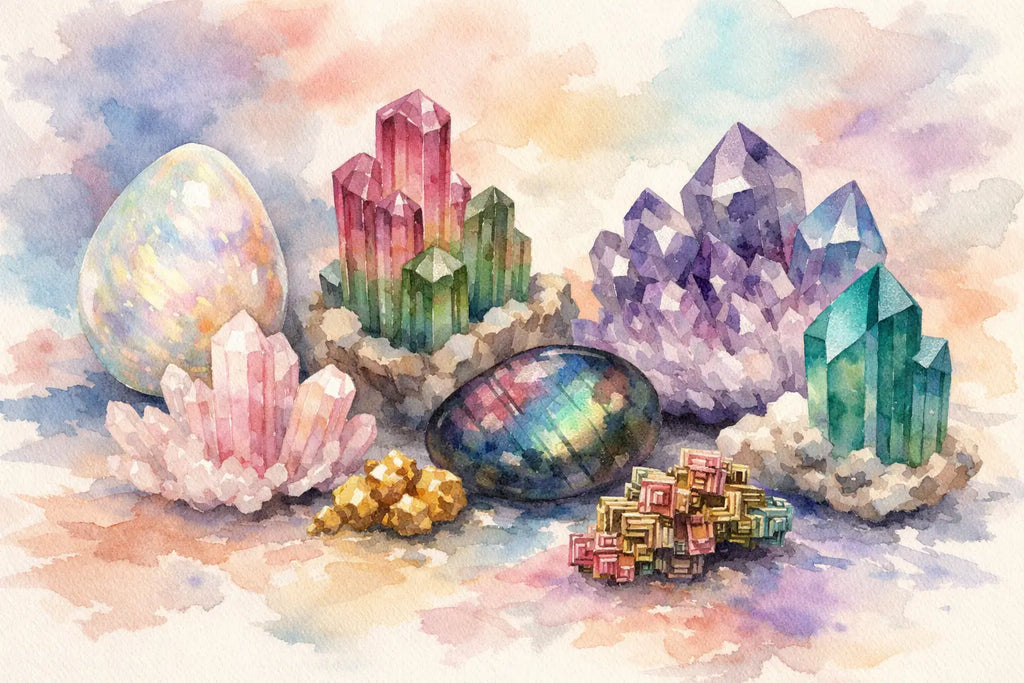
Some specimens stop you mid-scroll. Not because they are the biggest or flashiest, but because they feel unmistakably special - sharper formation, richer color, cleaner contrast, or a habit you do not see every day. That is the appeal of rare minerals for collectors. They carry a different kind of presence, where beauty and scarcity meet, and where every detail matters a little more.
For many collectors, rarity is not just about owning something few people have. It is about connection. A rare specimen often comes with a deeper story - a closed locality, an unusual crystal habit, an exceptional association of minerals, or a quality level that almost never reaches the market. When you collect with intention, those details turn a purchase into a piece you remember.
What makes rare minerals for collectors truly rare?
Rarity gets used loosely in the crystal world, so it helps to slow down and define it. A mineral can be rare because the species itself is uncommon, but that is only one part of the picture. In collecting, rarity often comes from a mix of availability, condition, aesthetics, and provenance.
Some minerals are scientifically rare but not especially display-worthy, which matters if your collection is visual as well as technical. Others are more common by species, yet truly rare in fine specimen form. Fluorite, for example, is not a rare mineral overall, but a fluorite specimen with exceptional zoning, sharp cubic growth, and strong luster from a prized locality can be genuinely hard to find.
Locality also changes everything. A mineral from a famous old mine, a now-inaccessible deposit, or a short-lived pocket can become highly sought after even if the mineral species itself is familiar. Collectors are often responding to that combination of place, quality, and scarcity rather than a simple label of rare.
Beauty, condition, and why two similar pieces are not equal
This is where collecting becomes personal. Two specimens can share the same mineral name and still live in completely different worlds when it comes to desirability. One might have edge damage, dull surfaces, or muddy color. The other might show crisp structure, balance, and a kind of visual harmony that makes you keep coming back for another look.
Condition matters, but so does honesty about condition. A tiny contact mark on a piece from a difficult locality may be completely acceptable. A repaired break on a high-priced specimen is a different conversation. There is no universal rule that says every collector must avoid imperfect pieces. Sometimes the right piece is the one with a minor flaw and extraordinary character. It depends on your goals, your budget, and what you value most.
Color saturation, transparency, matrix contrast, and overall composition all influence collectibility. A specimen does not need to be huge to be exceptional. In fact, many advanced collectors prefer smaller cabinet pieces with stronger form and better balance over large but less refined material.
How to shop for rare minerals without getting overwhelmed
The rare mineral market can feel crowded with big claims. That is why curation matters. When you are buying rare minerals for collectors, the most reassuring experience comes from sellers who are selective, transparent, and willing to tell you what makes a specimen special and where its limits are.
Start with the piece itself. Ask what stands out beyond the name. Is it the crystal habit, the locality, the associations, the clarity, or the way it displays? If a seller cannot explain why a piece is special, the rarity claim may be doing too much work.
Then look at sourcing and handling. Ethically sourced material matters to many collectors for good reason. It reflects respect for miners, artisans, local communities, and the specimen’s journey before it reaches your shelf. It also tends to go hand in hand with more thoughtful curation. Pieces that are chosen carefully, photographed honestly, and packed with care usually come from businesses that understand collector trust.
A strong seller should also help you calibrate expectations. Some rare minerals are delicate. Others are stable but difficult to photograph accurately. Some command higher prices because of locality prestige, while others are priced for unusual aesthetics. Good guidance makes it easier to buy with confidence instead of pressure.
Building a collection with meaning, not just labels
It is easy to chase names. It is harder, and more rewarding, to build a collection that feels cohesive to you. Some collectors focus on locality. Others collect by color palette, crystal habit, mineral family, or emotional resonance. There is no single right way to do it.
If you are newer to rare specimens, consider starting with a collecting lens. You might choose rare miniature specimens with strong structure, association pieces that show two or more minerals beautifully together, or unusual habits of minerals you already love. A focused approach helps you make better decisions and keeps your collection from feeling random.
This is also where restraint becomes part of collecting well. Not every rare piece belongs in your collection. Sometimes a specimen is impressive but not aligned with your taste. Passing on pieces that do not feel right leaves room for the ones that truly do.
Common categories collectors gravitate toward
Collectors are often drawn to a few different kinds of rare material. Some love classic localities and historic mines because provenance adds depth. Others look for aesthetic rarities - unusual color combinations, exceptional fluorescence, phantom growth, or uncommon crystal habits. Then there are collectors who prioritize uncommon species, especially when they appear in display-worthy form.
Association pieces deserve special mention. A specimen that pairs contrasting minerals in a natural, balanced way can feel more compelling than a single-species piece. Think of soft color against dark matrix, glassy crystals next to metallic texture, or a rare overgrowth that shows multiple stages of mineral formation. These combinations often tell a fuller geological story while also displaying beautifully.
Why provenance and trust matter more at the premium end
As prices rise, so does the importance of documentation, locality accuracy, and seller credibility. Misidentified minerals, vague localities, and inflated rarity claims are frustrating at any price point, but they become much more serious when you are investing in higher-end pieces.
That does not mean every specimen needs a museum label to be worth owning. It means the information attached to the piece should be as clear and truthful as possible. Origin, dimensions, condition notes, and any known treatments or repairs should not feel hidden. Transparency is part of the value.
This is one reason boutique curation resonates with collectors. A carefully selected inventory often feels more trustworthy than a huge catalog of lookalike listings. At Bellissima Crystals, that heart-led approach to selection matters because it supports both beauty and confidence. You are not just choosing a mineral name. You are choosing the care behind how that piece was found, evaluated, and offered.
Display, care, and the long view
Owning a rare specimen changes how you think about display. Placement matters. Harsh sunlight can affect color in some minerals. Humidity can be an issue for more sensitive material. Even a crowded shelf can take away from a piece that deserves breathing room.
Good display is not about creating a museum at home. It is about giving a specimen enough space and stability to be appreciated. A clean stand, gentle lighting, and sensible handling go a long way. Keep labels if provenance matters to you. Store delicate pieces securely. And if a specimen feels too fragile for frequent handling, that is not a drawback - it is simply part of caring for it well.
Over time, your taste will sharpen. You may start by responding to color or sparkle and later find yourself noticing edge definition, matrix balance, or locality significance. That evolution is part of the joy. A thoughtful collection grows with you.
The real value of rare minerals for collectors
The best rare specimens do more than fill a space in a cabinet. They hold attention. They remind you why you collect in the first place. Their value is not only in scarcity or price, but in the feeling that this particular piece was worth waiting for.
That is why patience often serves collectors better than urgency. If a specimen is truly right for you, you will usually know. And when you choose pieces with care - pieces with story, integrity, and presence - your collection becomes more than impressive. It becomes personal.
Leave room for that feeling. The next piece you bring home should not just be rare. It should feel like it belongs with you.


